The SPLC Indictment Forces Us Into Ethical Ambiguity
Where do you stand on the use of paid informants?

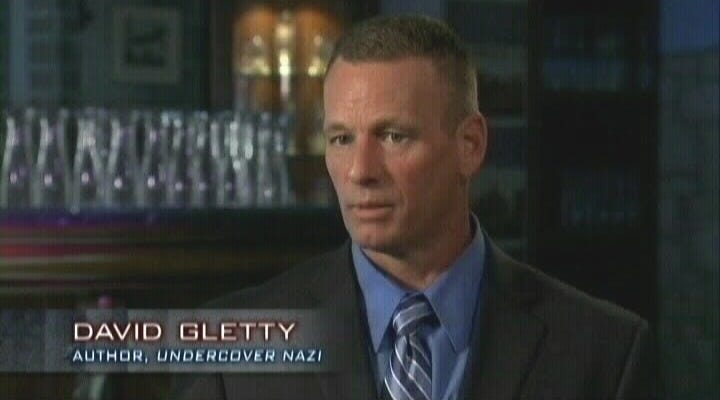
David Gletty is a retired private detective, author of the book Undercover Nazi, and formerly an FBI confidential human source who infiltrated neo-Nazi and other extremist groups in the late 1990s into the early 2000s.
Mr. Gletty admits to doing “a lot of illegal things to get legal results,” and defends his actions by saying, “[s]ometimes, good people have to do bad things with bad people to keep bad people from doing bad things to good people.” Or, as he puts it more bluntly: “You’ll never go pig hunting without getting mud on you.”
And Mr. Gletty’s opinion is warranted. When it comes to the world of paid informants, morality turns into varying shades of grey. They, and their handlers, exist within an “Ethically Ambiguous Zone.” A zone every American is now aware of due to the DOJ’s recent federal indictment, suggesting that the Southern Poverty Law Center incited the very hate it claimed to combat by paying informants operating within extremist groups.
While this indictment and the following trial are important to understand, we cannot formulate an opinion on it until we assess the underlying ethical dilemma that now sits before us.
And to do that, we need the bigger picture. So, let’s dive in.
The SPLC is Manufacturing Racism?
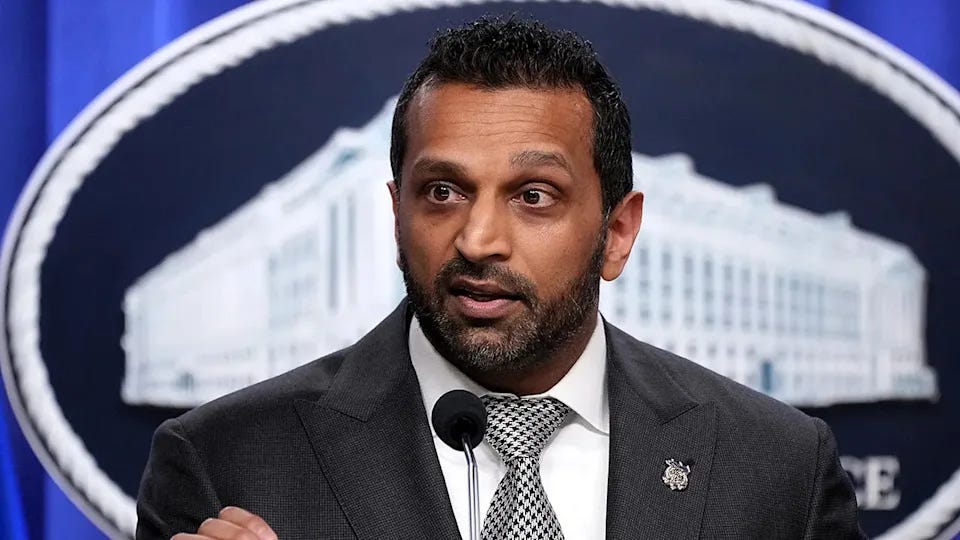
In the indictment, the DOJ alleges that between 2014 and 2023, the SPLC channeled more than $3 million in donated funds to individuals who were associated with various violent extremist groups, including the Ku Klux Klan, the United Klans of America, the National Socialist Party of America, and the Aryan Nations. On April 21, 2026, a Grand Jury returned the indictment charging SPLC with 11 counts of wire fraud, false statements to a bank, and conspiracy to commit money laundering. The indictment also alleges that the SPLC defrauded its donors by claiming it was dismantling extremist groups when it was actually using that donated money to fund said extremist groups.
According to Acting Attorney General Todd Blanche, “The SPLC is manufacturing racism to justify its existence.” FBI Director Kash Patel piled on, stating that “[they] paid the leaders of these very extremist groups - even utilizing the funds to have these groups facilitate the commission of state and federal crimes.”
As expected, the internet lit up with activity after this, with many people highlighting the allegation that the SPLC was paying the very organizations it deemed were a danger to society, essentially generating the hate it publicly proclaimed to fight.
The SPLC & FBI Worked Together
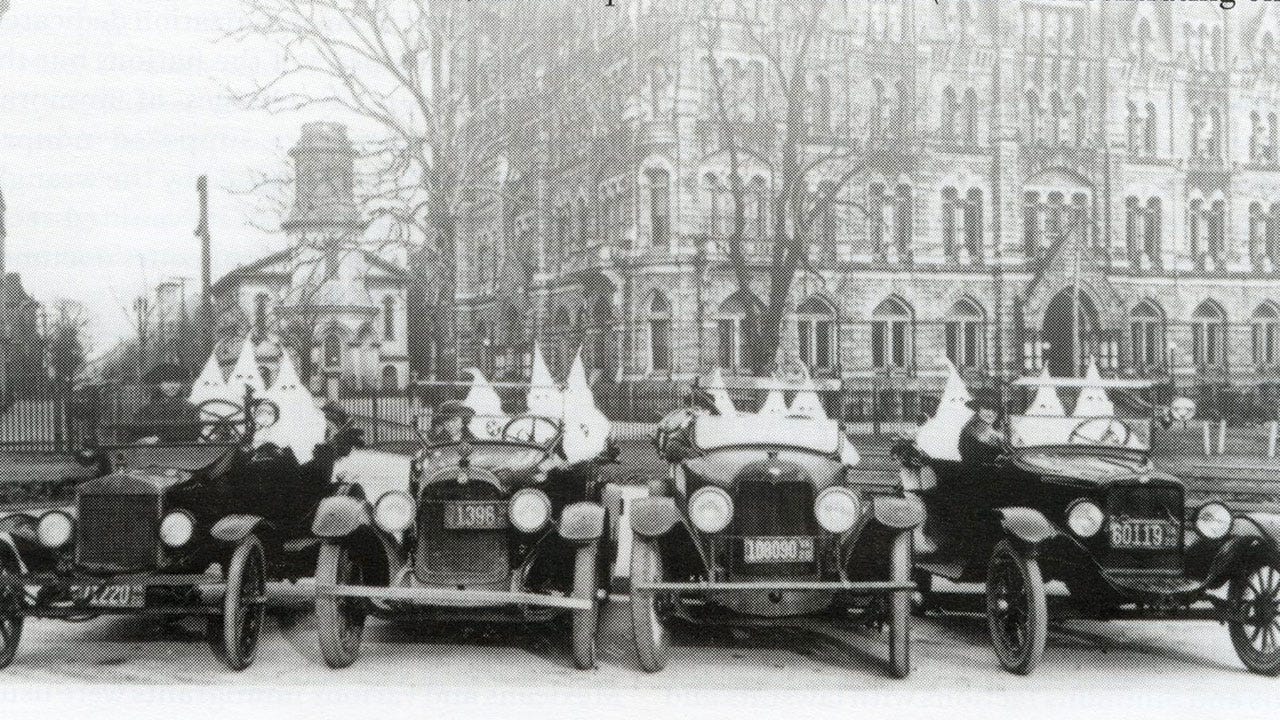
The SPLC has a long and impressive history to back its public proclamation of fighting extremist and hate-based organizations.
It was founded in 1971 as a civil rights law firm in Montgomery, Alabama, that focused on fighting poverty, racial discrimination, and the death penalty. In 1979, the SPLC began filing civil lawsuits for monetary damages against the KKK and other similar organizations on behalf of victims. This litigation strategy was so successful that it eventually bankrupted the KKK.
To gather evidence for these civil lawsuits, the SPLC took a page from the FBI’s playbook and began paying informants to infiltrate the KKK, which was a highly secretive organization that had strong ties with local law enforcement, making traditional investigation incredibly difficult.
From the 1970s until 2014, the FBI and SPLC worked together, and information gathered from SPLC informants aided the FBI in a variety of its projects. But, in 2014, under the Obama administration, the FBI scaled back its association after the SPLC’s objectivity was called into question. Then, in 2025, Kash Patel declared the group “unfit for any FBI partnership.”
The SPLC’s Paid Informants Were (allegedly) in Deep
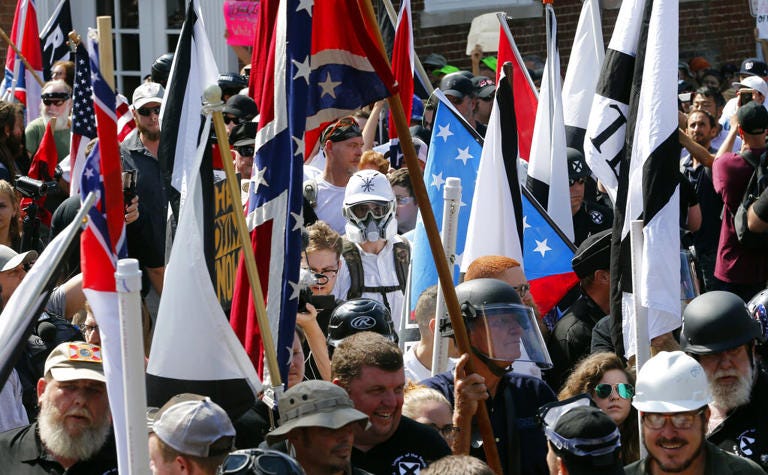
Despite the weakening relationship between the FBI and the SPLC, according to the indictment, the SPLC continued to use paid informants, or, as the indictment called them, field sources (the Fs). According to the indictment, F-37 helped plan the 2017 Unite the Right rally in Charlottesville, Virginia, and was paid more than $260,000 between 2015 and 2023. F-6 served the SPLC for 20 years, and made more than 1 million dollars from the SPLC, and F-unknown was the Imperial Wizard of the United Klans of America.
This, of course, drew a lot of criticism. The SPLC is using donor funds to pay the very organizations it claimed to fight? And it isn’t just paying random no-name members to dig up dirt; it was paying individuals relatively high up in organizations associated with atrocious events.
The 2017 Unite the Right rally in Virginia, which F-37 helped plan, had the alt-right, neo-Confederates, neo-fascists, white nationalists, white supremacists, neo-Nazis, and Klansmen in attendance. It was the rally where a white supremacist rammed his car into a crowd, killing one person and injuring 35 others.
In addition, F-unknown was an Imperial Wizard for the United Klans of America, which is linked to the 16th Street Baptist Church bombing in Alabama that killed four girls, the murder of Viola Liuzzo, and the lynching of Michael Donald.
These allegations made many people accuse the SPLC of generating the very hate it purports to combat.
Entering the Ethically Ambiguous Zone
Here’s where (one of) the ethical dilemmas rears its head.
The SPLC’s interim CEO, Bryan Fair, defended the organization, claiming the payments went to informants to monitor the threat of violence and that the information helped save lives. The discretion around where donor funds went wasn’t due to deception, but rather necessity.
And while we can pontificate on whether he speaks truthfully, I want us to pivot the conversation to something else. I want us to ask: how deep should an informant go to uncover information? Where is the ethical line drawn?
Mr. Gletty lied, cheated, stole, sold drugs, and recorded illegally for the FBI, and he makes no apologies for his actions. He claims his work helped take down drug dealers, rapists, robbers, and deadly terrorists. So why should he apologize? As he said, sometimes good people have to do bad things to protect good people from bad people.
In addition, Mr. Gletty was not a random, unnamed member of the organizations the FBI had him involved in. He was well known in Central Florida as “Gator Gletty” for wrestling with alligators. This fame made it easy for him to cozy up with neo-Nazis, skinheads, and other potential criminals. Given his popularity, the FBI eventually asked him to organize an event in Orlando on behalf of the National Socialist Movement, which was a group founded by another FBI informant. This event rocketed him into infamy after images of him were plastered across newspapers and televisions as the “face of hate.”
So here we are, looking at the FBI, a government entity, employing similar tactics that the SPLC is accused of employing, to infiltrate extremist organizations and combat criminal activity. And on top of this, the FBI has historically worked with the SPLC in this arena; it’s not like the SPLC was doing this under the FBI’s nose. For all intents and purposes, the FBI sanctioned this activity.
So, what gives? Well, let’s dive deeper.
The Questions Worth Asking
One question we must ask is: Is there a difference between the FBI having paid informants and the SPLC having paid informants?
The FBI operates under a national mission with clear guidelines, whereas the SPLC is a private nonprofit organization that does not have the policies and guidelines the FBI (arguably) has. In addition, the SPLC is not working on behalf of the American public, whereas the FBI is.
That being said…is the FBI following policies and guidelines? According to Mr. Gletty, that might not be the case. Nonetheless, one could argue that there is more transparency with the FBI than with the SPLC. And either way, the question still stands: do we treat the FBI and the SPLC similarly? It’s important to recognize there is a difference between governmental entities and private entities, and that some actions should be held exclusive to the government. Whether paying informants is one of those actions is up to you to decide.
Another question to ask, which is broader, is: Should hidden actors working for institutions shape major events? And to what extent? And if violence occurs, who is held accountable?
This is really the crux of the issue here. We have to determine whether we are comfortable with paid informants being involved in major events, and we need to decide where we draw the line between “acceptable” and “unacceptable.”
Or, alternatively, if we are uncomfortable with the moral ambiguity paired with these decisions, we could trust those in power to know where the line should be drawn.
In the age of the internet, we have unprecedented access to actions done and conversations had that were once behind closed doors. We now must decide what we want to do with the additional information that’s calling into question our moral standing.
And the final question is: Are the charges against the SPLC politically motivated?
It is widely known that the SPLC shifted from traditional civil rights work toward fighting right-wing extremism, and in doing so, expanded its definition of what right-wing extremism is.
The SPLC has placed various mainstream conservative organizations on its “hate map” or “extremist watch list,” including Turning Point USA, PragerU, and Moms for Liberty. In addition, in 2023, a leaked document from the FBI discussed an FBI warning about “radical traditionalist” Catholics posing an extremist threat. Included in the memo was a list of Catholic organizations the SPLC defined as hate groups.
Many conservatives have begun speaking up against this, arguing it is fueling the divide in America and encouraging violence against the right.
Under this backdrop, it’s necessary to consider whether charging the SPLC with allegations of defrauding donors and accusing them of generating the hate they combat is a targeted response to its recent actions against portions of the conservative movement. While we explore our ethical stance on paid informants, it’s worth determining the DOJ’s ethical stance on the matter as well.
I’m Taking Notes
When events like the Grand Jury indictment of the SPLC hit the news, everyone is quick to broadcast their opinion, but few are willing to slow down and assess the situation. To generate a strong and balanced opinion, one must often dive into the history of the topic and those involved, dig through the nuanced angles of the situation, and then compare it against one’s own ethics.
To reach true autonomy, we need to slow down and analyze events rather than basing our opinions on an emotional response. If we don’t, we will continue to be used as pawns in someone else’s game.
I am interested in seeing this case go to trial and weighing the evidence put forth by both the prosecution and the defense. While my opinion may be leaning in one direction, I refuse to stake a claim until I get more information and until I consider my ethical stance on the matter more generally.
I’d love to hear your thoughts on the topic, so feel free to drop a comment.
This makes me wonder where the line is between being a "State Actor" (where Constitutional protections are lost) and a private entity.
SCOTUS has said that the line typical is when an entity is engaging in acts "traditionally reserved to government".
Would paying informants to commit crimes, for prosecution of an organization, be something "traditionally reserved to government"? Especially under the association with the FBI...
This seems to fall under the policing powers of the executive branch.
I wonder if this does bridge that gap, then what constitutional protections does that remove from the SPLC. I imagine it makes all of their records public domain at the very least...
I have so many more questions that I don't have a opinion yet. For me, the central question is what is entrapment? If an entity funds a group with the expressed intent of planning and excecuting crimes, is that legal and defensible or is it prodding the commission of crimes that otherwise would not have been committed? Is this yet another example of using funds to manufacture events to serve the purposes of others? Who profits? Is the FBI complicit if the SPLC improperly infiltrated and coaxed these organizations to commit crimes given their past relationships? I'm conflicted and have many biases so I eagerly anticipate the evidence and ruling of this case.